Curriculum
Our curriculum is a complete and integrated course of study in osteopathy.
It brings together anatomy, physiology, pathophysiology, embryology, ethics, and research with extensive hands-on practical training and supervised clinical experience. From foundational palpation and assessment to advanced regional, visceral, cranial, neurological, and systemic approaches, students learn not only how the body works—but how to work with it osteopathically. Each year builds deliberately on the last, ensuring graduates develop clinical reasoning, precision of touch, and a deep understanding of structure, function, and homeostasis as a unified whole.
Year One
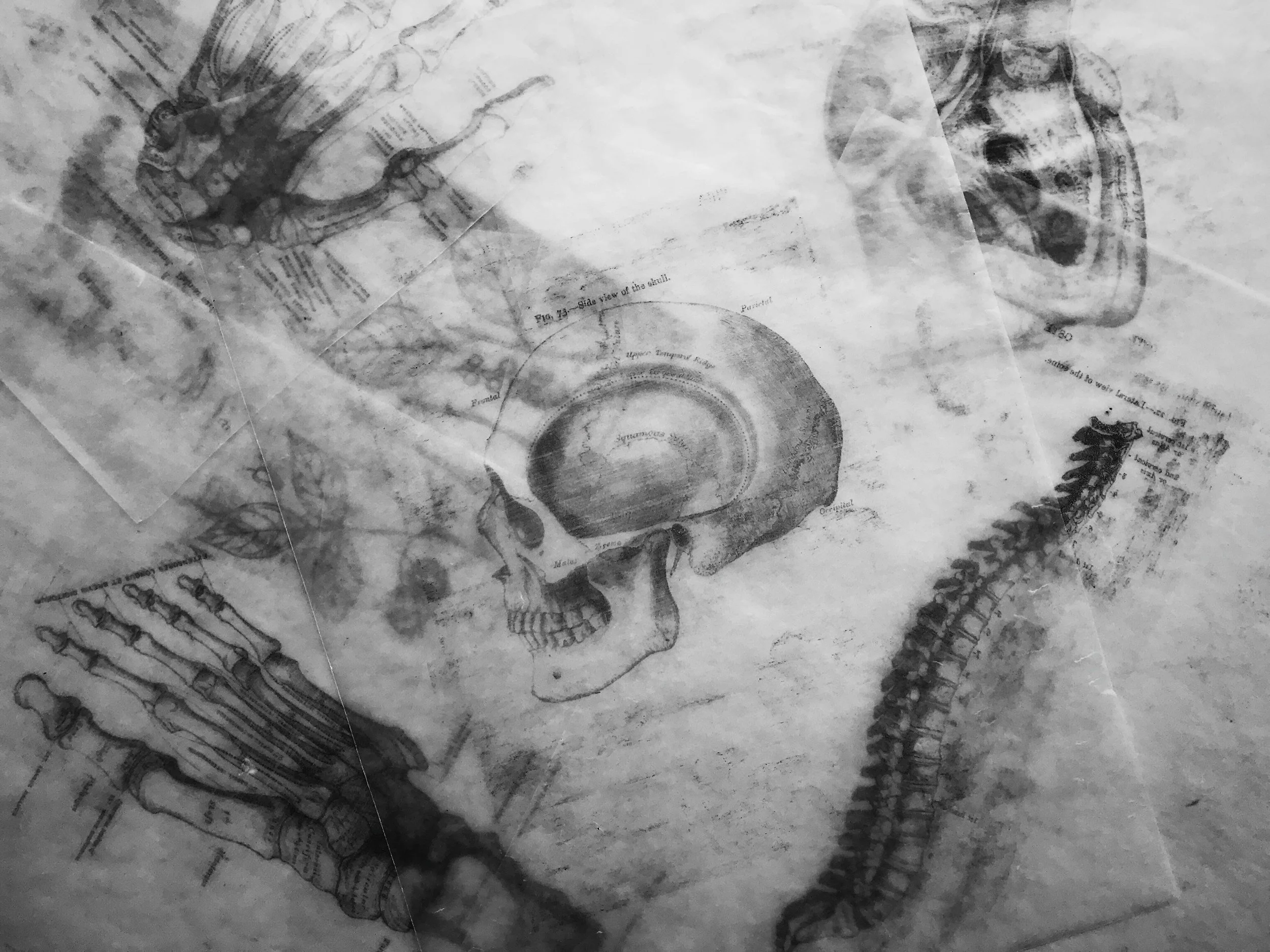
Year One establishes the foundations of osteopathic practice through a tightly integrated program of hands-on training and academic study. Students develop palpatory skill, osteopathic assessment, and general treatment approaches while working progressively with key regions of the body—including the sacrum, iliac, foot, knee, and cranial base—always guided by clinical application.
Alongside the practical work, students study osteopathic history, ethics, axioms, research literacy, and clinical economics, while building a solid grounding in anatomy, physiology, and musculoskeletal pathophysiology. Emphasis is placed on understanding structure and function, normal and altered physiology, and developmental influences on health. Supervised clinical residency supports the transition from foundational knowledge to thoughtful, clinically relevant osteopathic practice.
Foundational Programs
Year Two
The Central Axis
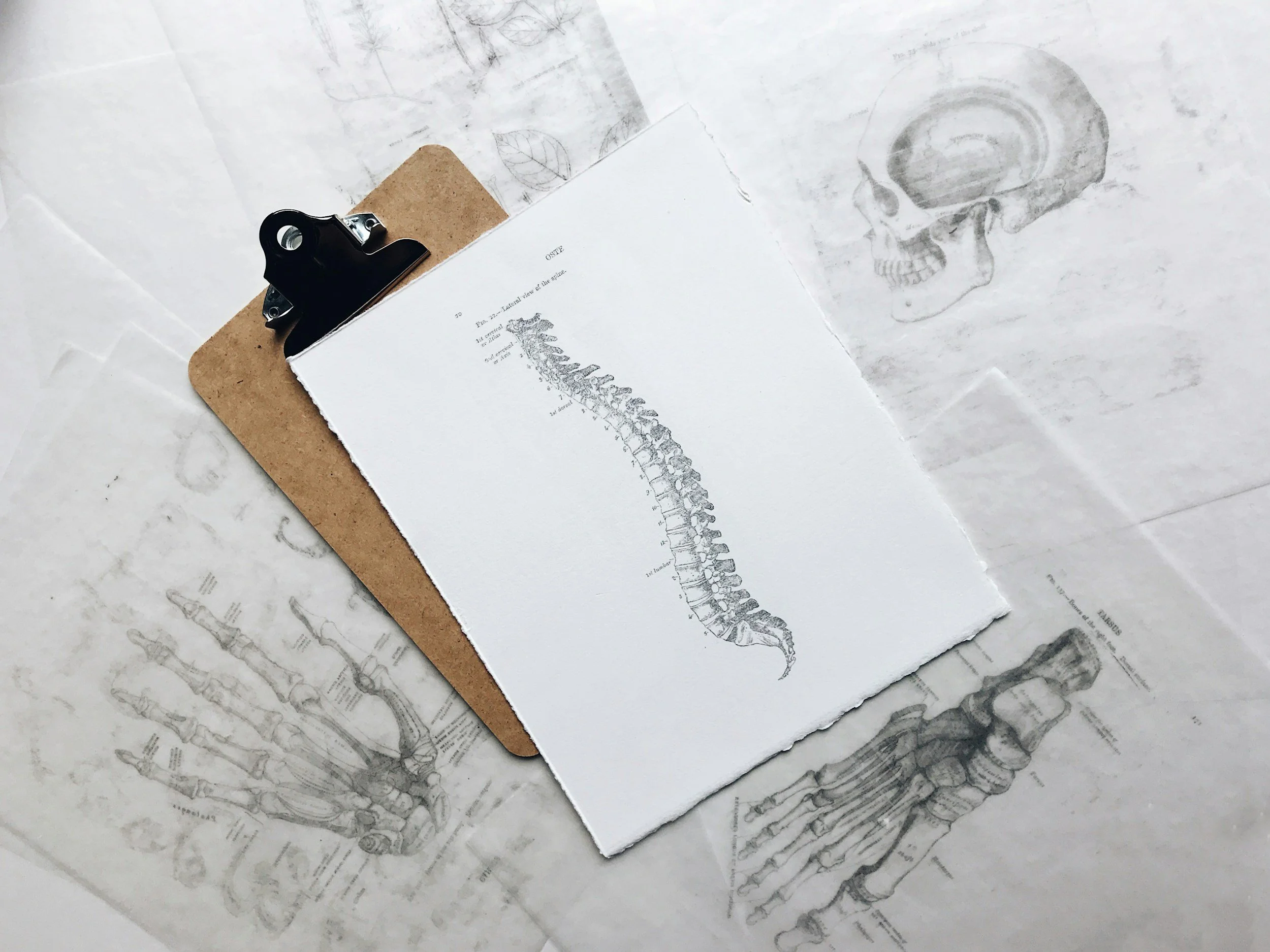
Year Two deepens osteopathic clinical reasoning by focusing on regional integration, neurological function, and increasingly complex patient presentations. Practical training advances through the lumbar spine, thorax and ribs, cervical regions, TMJ, upper extremity and lymphatic systems, supported by osteopathic regional assessment, pharmacology, and the first formal study of embryology. Each practical module is reinforced through structured clinical application.
Academically, students expand their understanding of osteopathic axioms, ethics, research, and clinical economics while undertaking an in-depth study of the nervous system—including central, peripheral, autonomic, and sensory-motor integration. Pathophysiology emphasizes neurological and hormonal regulation, developmental influences, and mechanisms underlying pain, sleep, cognition, and neuromuscular function. Supervised clinical residency continues to anchor learning in real-world osteopathic practice.
Visceral Systems One
Year Three
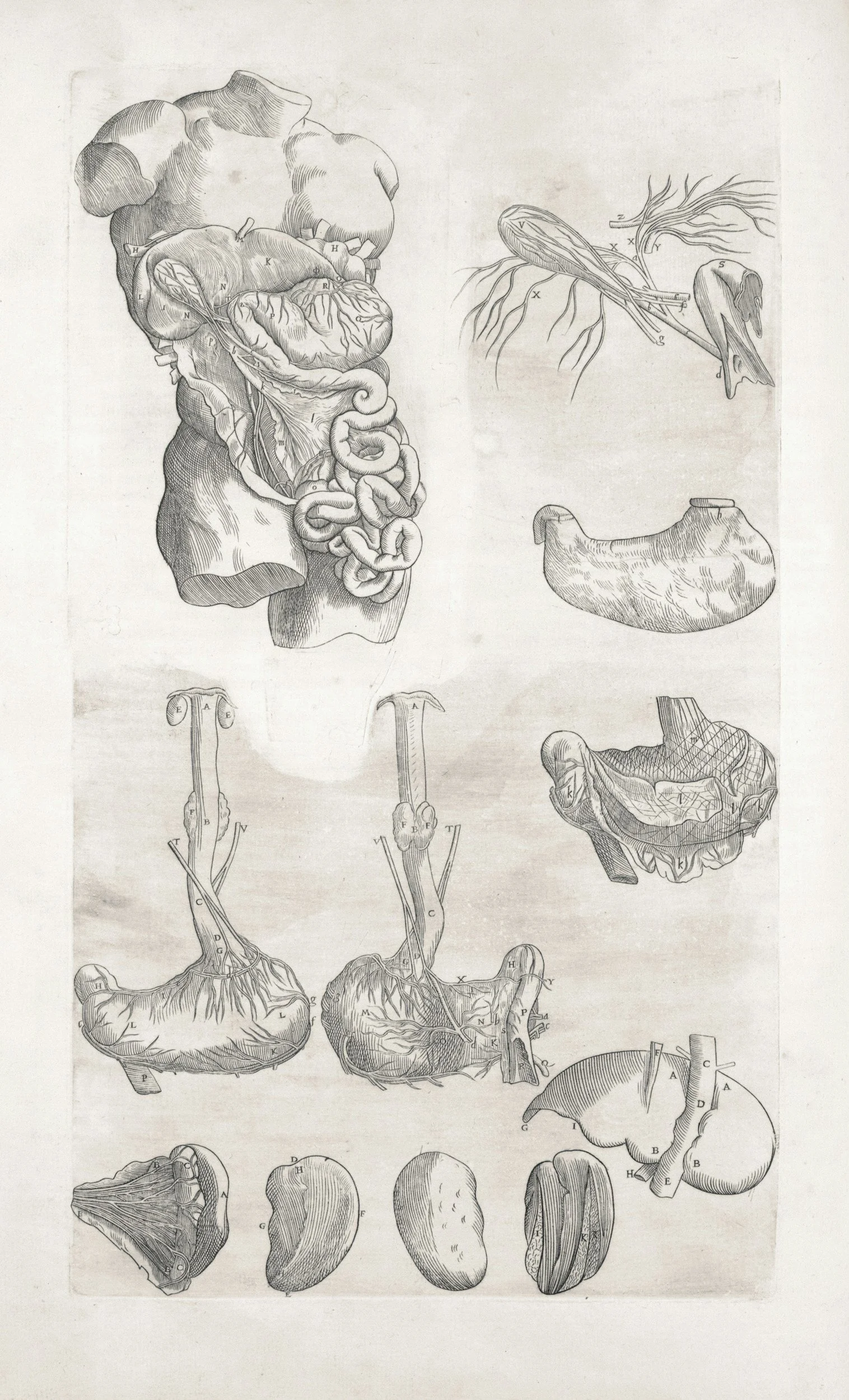
Year Three advances students into refined osteopathic assessment and treatment with a strong emphasis on visceral systems, advanced cranial work, and complex clinical presentations. Practical training focuses on the upper cervical spine, visceral cranium, and the full digestive system—from upper tract and hepatics to lower digestion—supported by advanced cranial approaches, specific osteopathic assessment, and embryology.
Academic study expands into lymphatic and immune function, digestion, and reproduction, alongside deeper engagement with ethics, osteopathic axioms, research, and clinical economics. Pathophysiology addresses hematological and digestive systems, developmental influences, and oncological foundations, including cancer biology and epidemiology. Supervised clinical residency continues to integrate hands-on skill, clinical reasoning, and whole-person osteopathic care.
Year Five
Clinical Integration and Capstone
Year Five represents the culmination of the osteopathic program, with full emphasis on clinical integration, independent reasoning, and professional readiness. Students engage in advanced clinical residency, comprehensive case-study research, and formal research presentations that demonstrate depth of understanding, clinical maturity, and osteopathic insight.
This final year consolidates the knowledge and skills developed throughout the program and is завершed through final examinations and supervised clinical assessment, ensuring graduates are prepared for safe, thoughtful, and competent osteopathic practice.
Academic study deepens engagement with ethics, osteopathic axioms, research, and clinical economics, alongside comprehensive anatomy and physiology of the cardiovascular, respiratory, endocrine, renal, and reproductive systems. Pathophysiology emphasizes functional and developmental alterations of cardiopulmonary, renal, urological, and reproductive systems, preparing students to manage complex presentations across the lifespan. Supervised clinical residency continues to anchor advanced learning in real-world osteopathic care.
Visceral Systems Two
Year Four
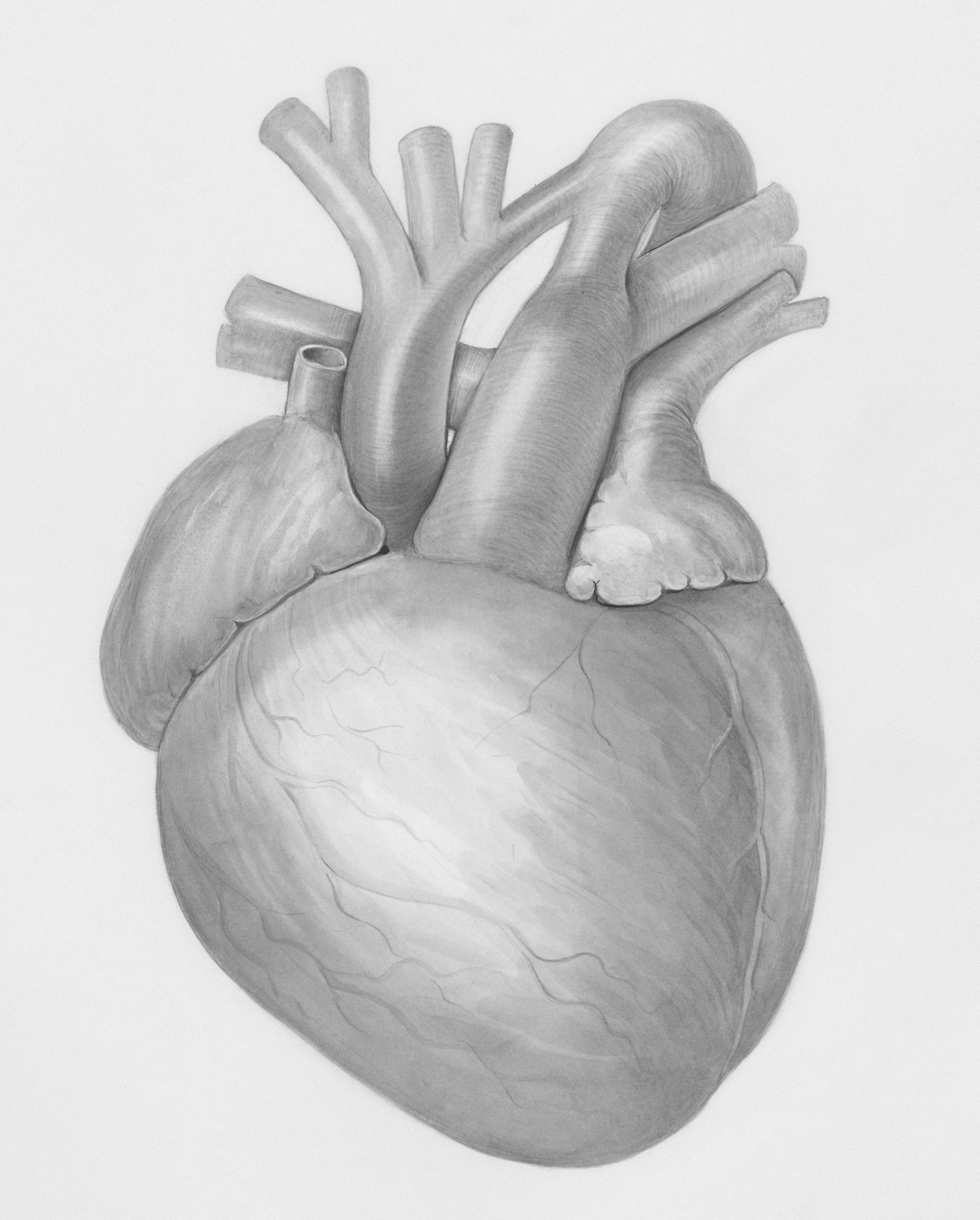
Year Four consolidates advanced osteopathic practice through the integration of complex systems, life-stage care, and multisystem clinical reasoning. Practical training addresses paediatrics, cardiopulmonary and renal systems, gynaecology, endocrinology, and fluid regulation, with focused study of the pericardium, lungs and pleura, and autoregulatory mechanisms. Program review modules support synthesis and refinement of osteopathic thinking across systems.
Academic study deepens engagement with ethics, osteopathic axioms, research, and clinical economics, alongside comprehensive anatomy and physiology of the cardiovascular, respiratory, endocrine, renal, and reproductive systems. Pathophysiology emphasizes functional and developmental alterations of cardiopulmonary, renal, urological, and reproductive systems, preparing students to manage complex presentations across the lifespan. Supervised clinical residency continues to anchor advanced learning in real-world osteopathic care.